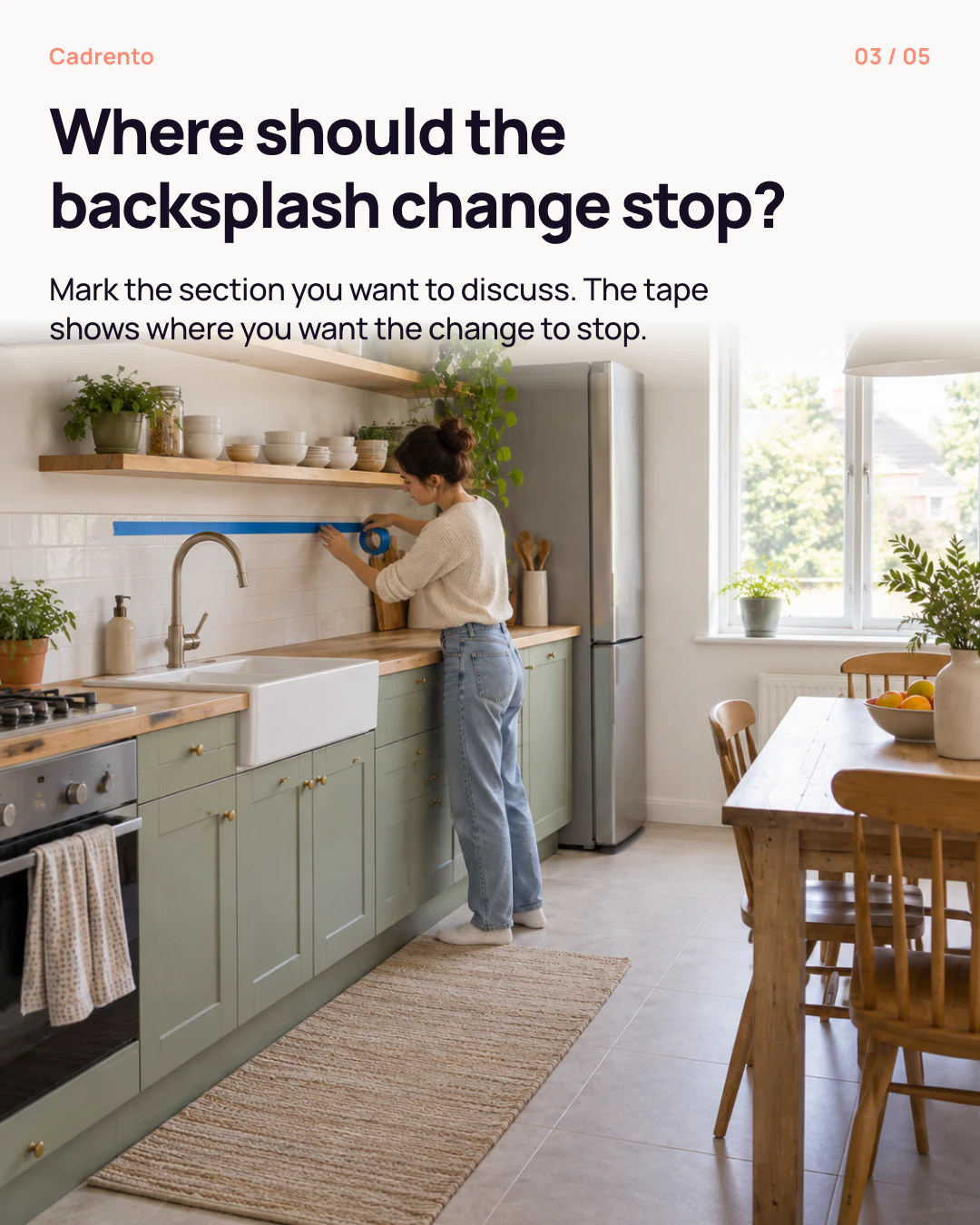
You know the room needs to change, but the details may still be taking shape. Maybe you want a different layout while keeping cabinets that still work for you. Before comparing prices, describe what you want the room to do and what should stay. That gives you a clearer way to discuss the work. As conversations move toward an estimate or contract, pay attention to what actually appears in writing. A shared understanding in conversation can be hard to check later if the document describes something else.
Start with the room you have
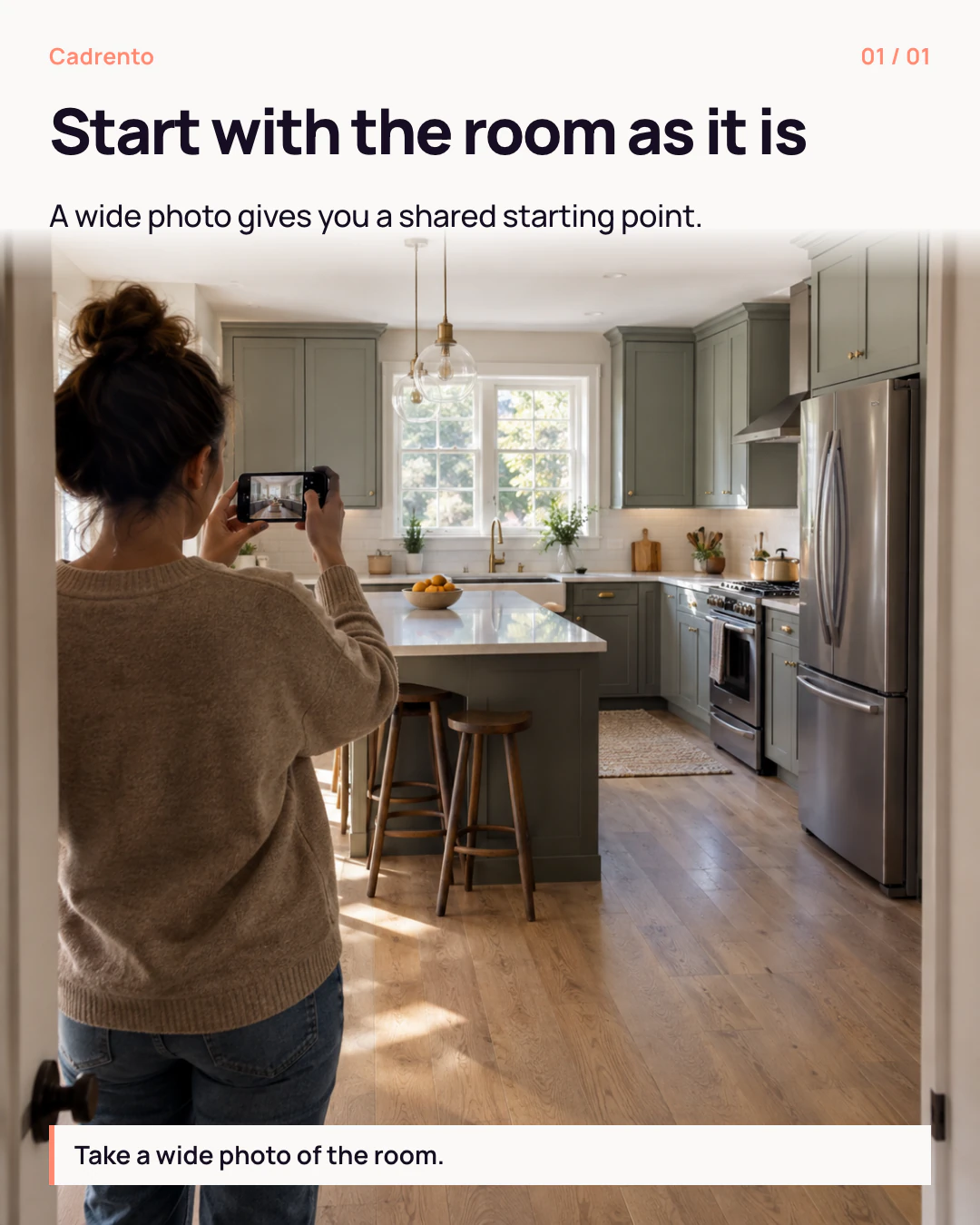
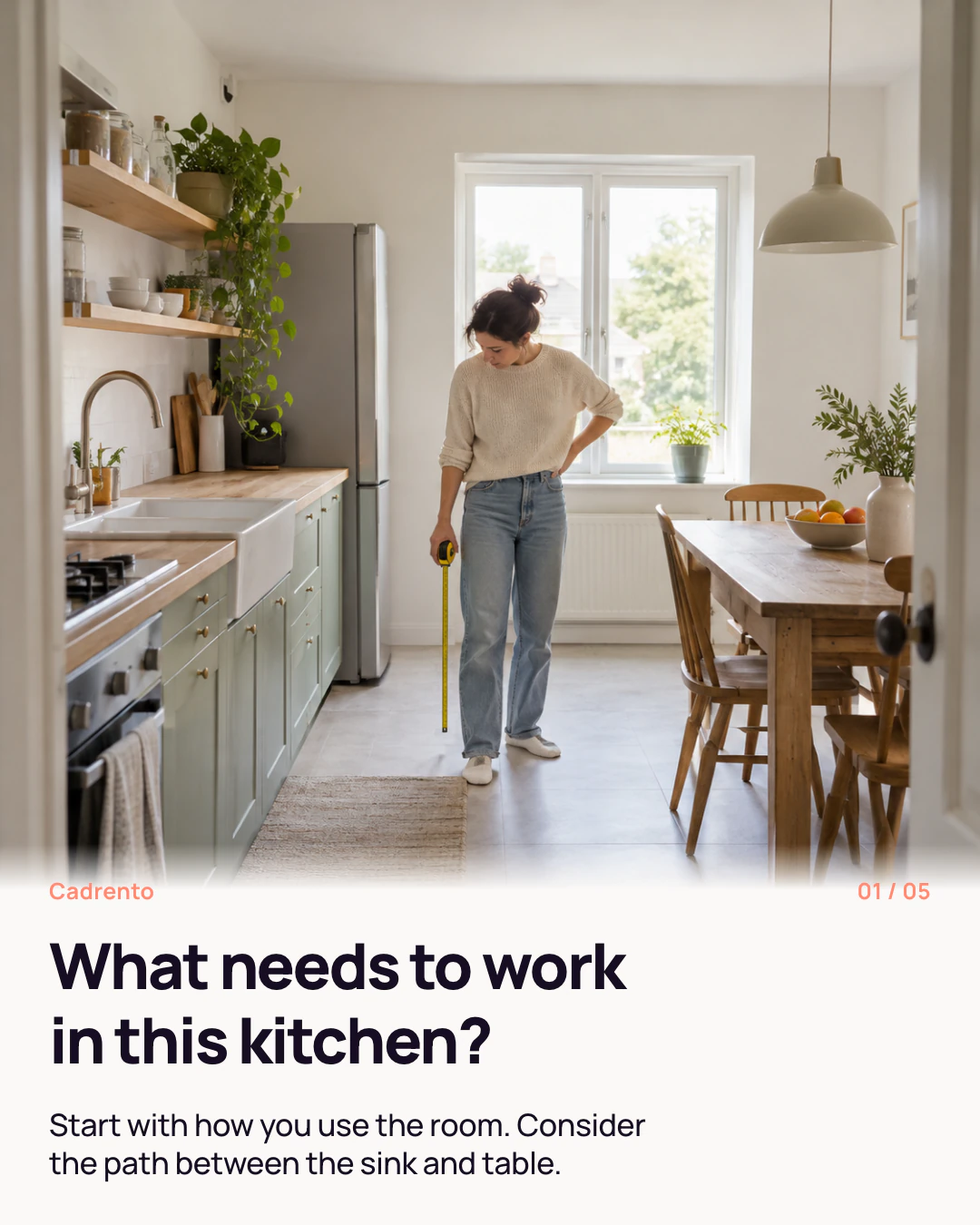
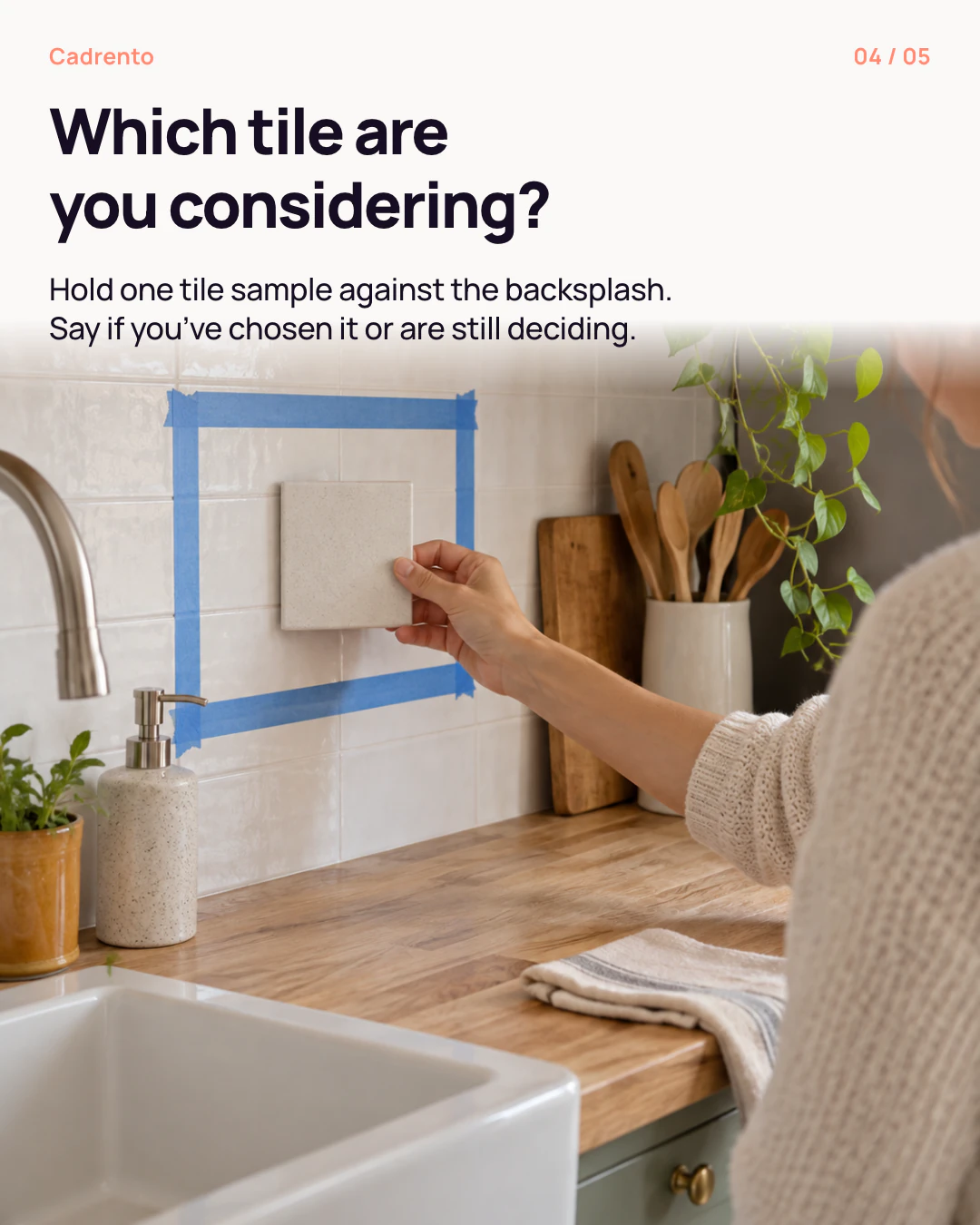
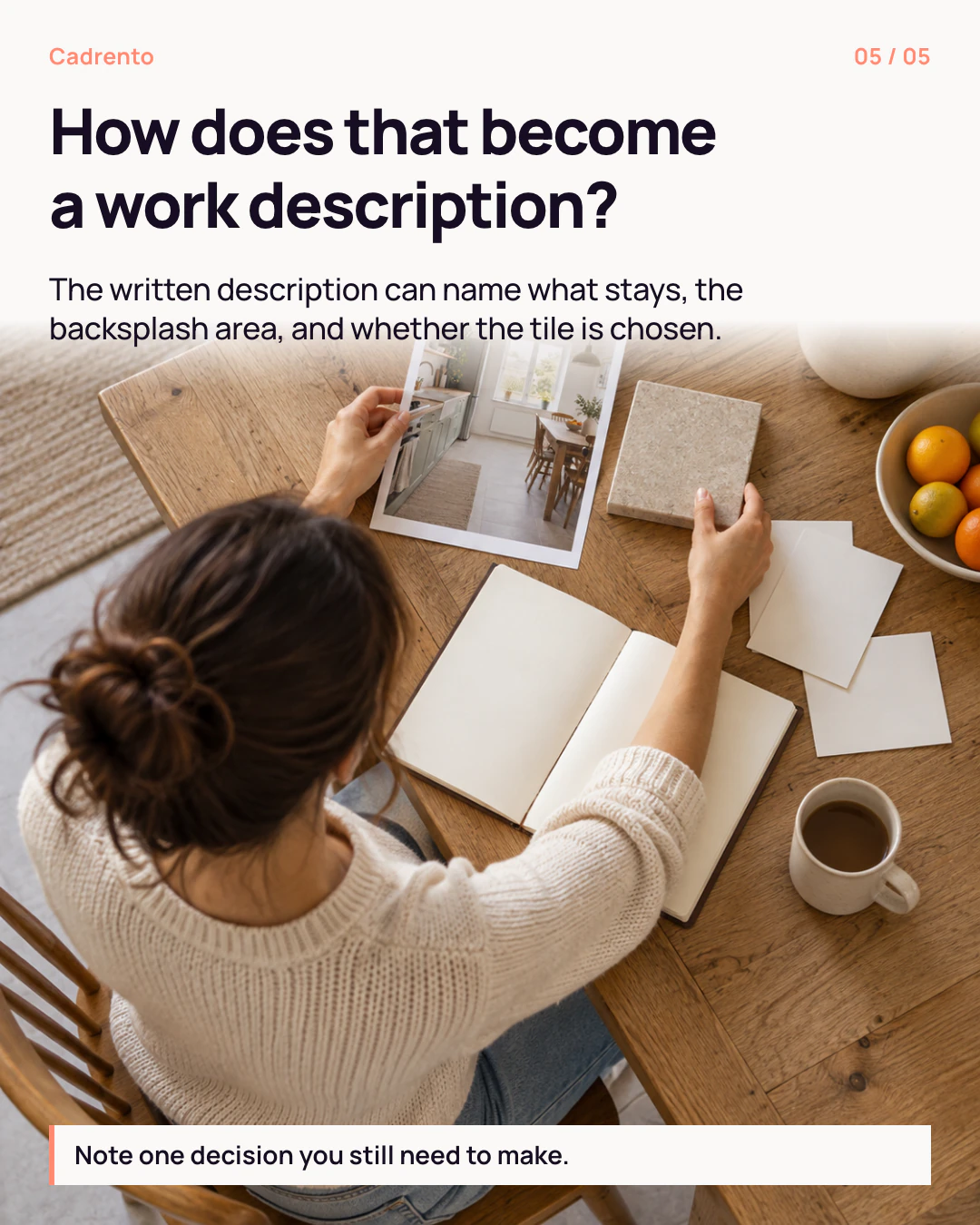
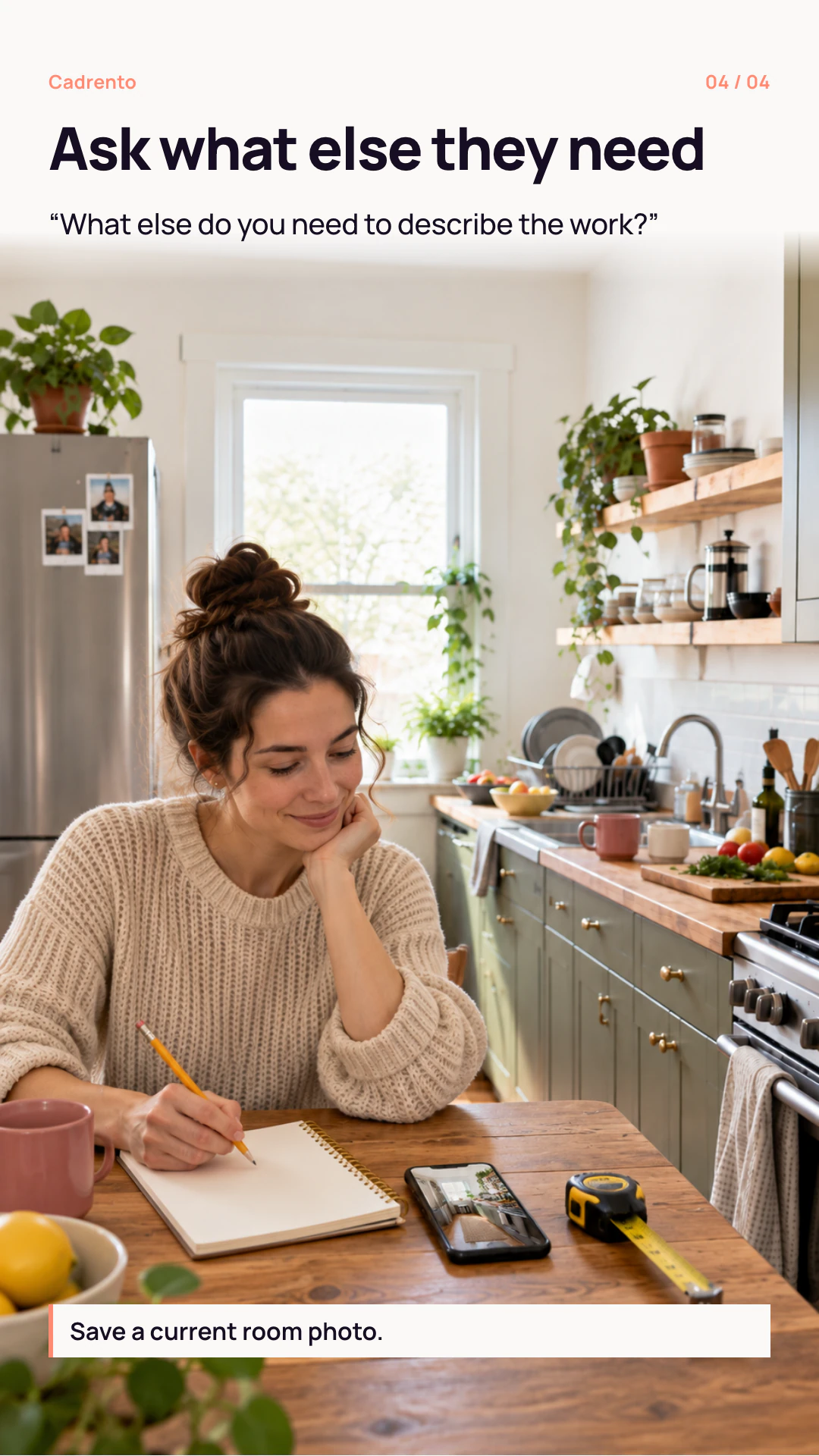
Walk through how you use the room now. Which parts make everyday tasks harder? Which parts do you want to keep? Write down the changes you are considering, even if you have not chosen every finish. You can separate decisions you have made from questions you still need answered.
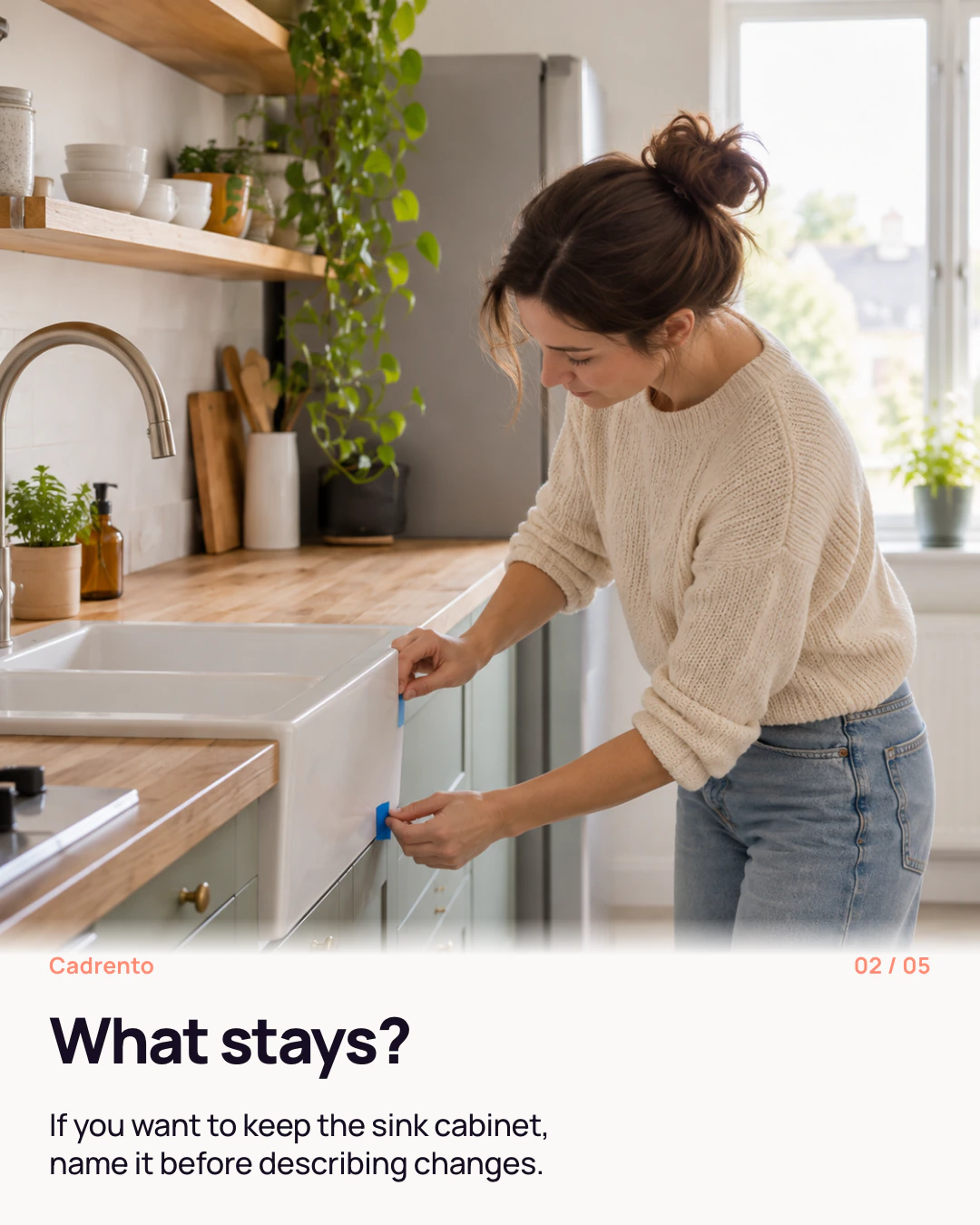
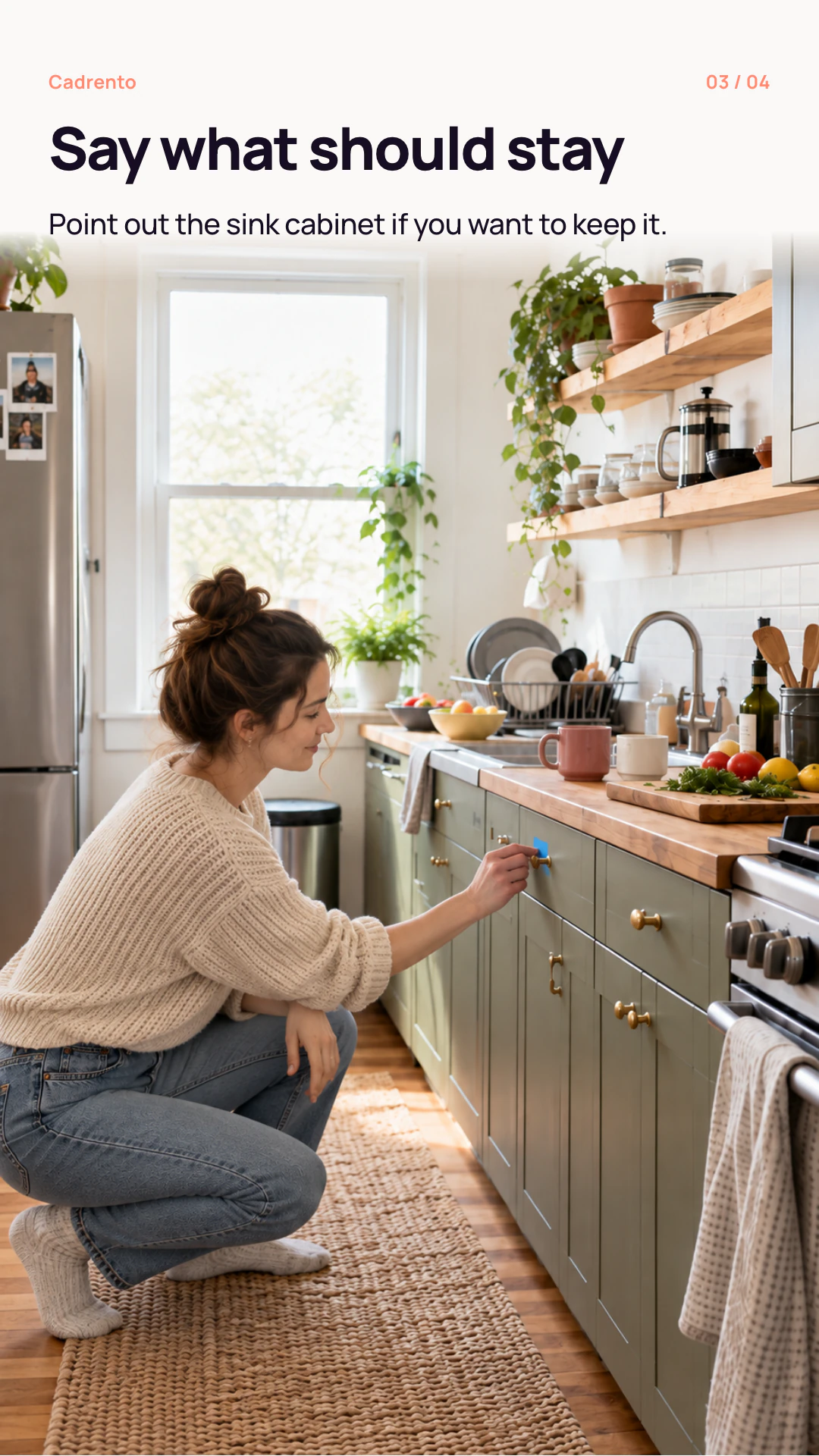
Use that description when you talk with contractors. If keeping the cabinets matters, say so directly. If the layout is still open, ask what each option would involve before treating either one as settled. The goal is to make the conversation specific enough that you can recognize the same work in a written estimate. You do not need to pretend that an undecided detail is final.
Compare what each estimate includes
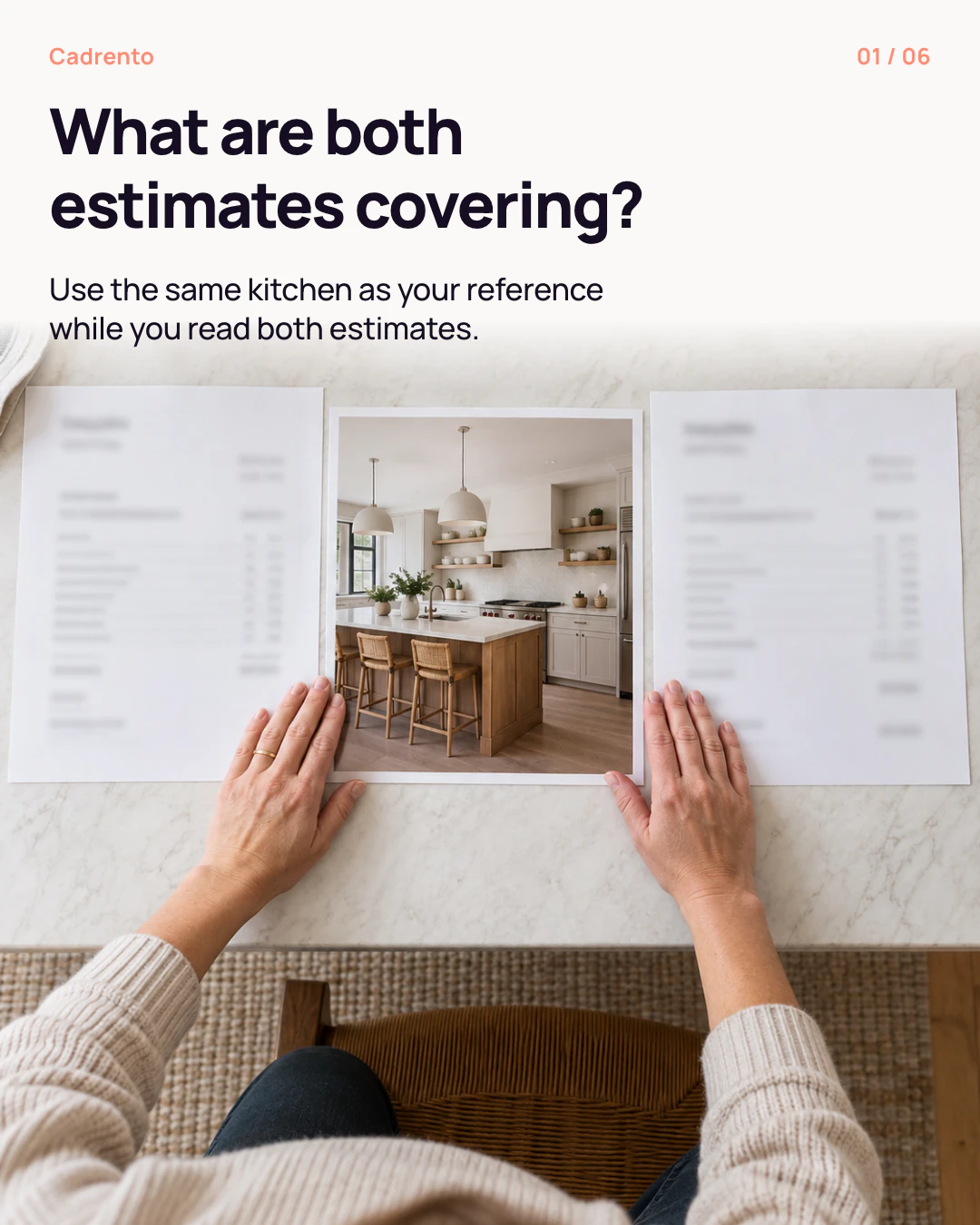
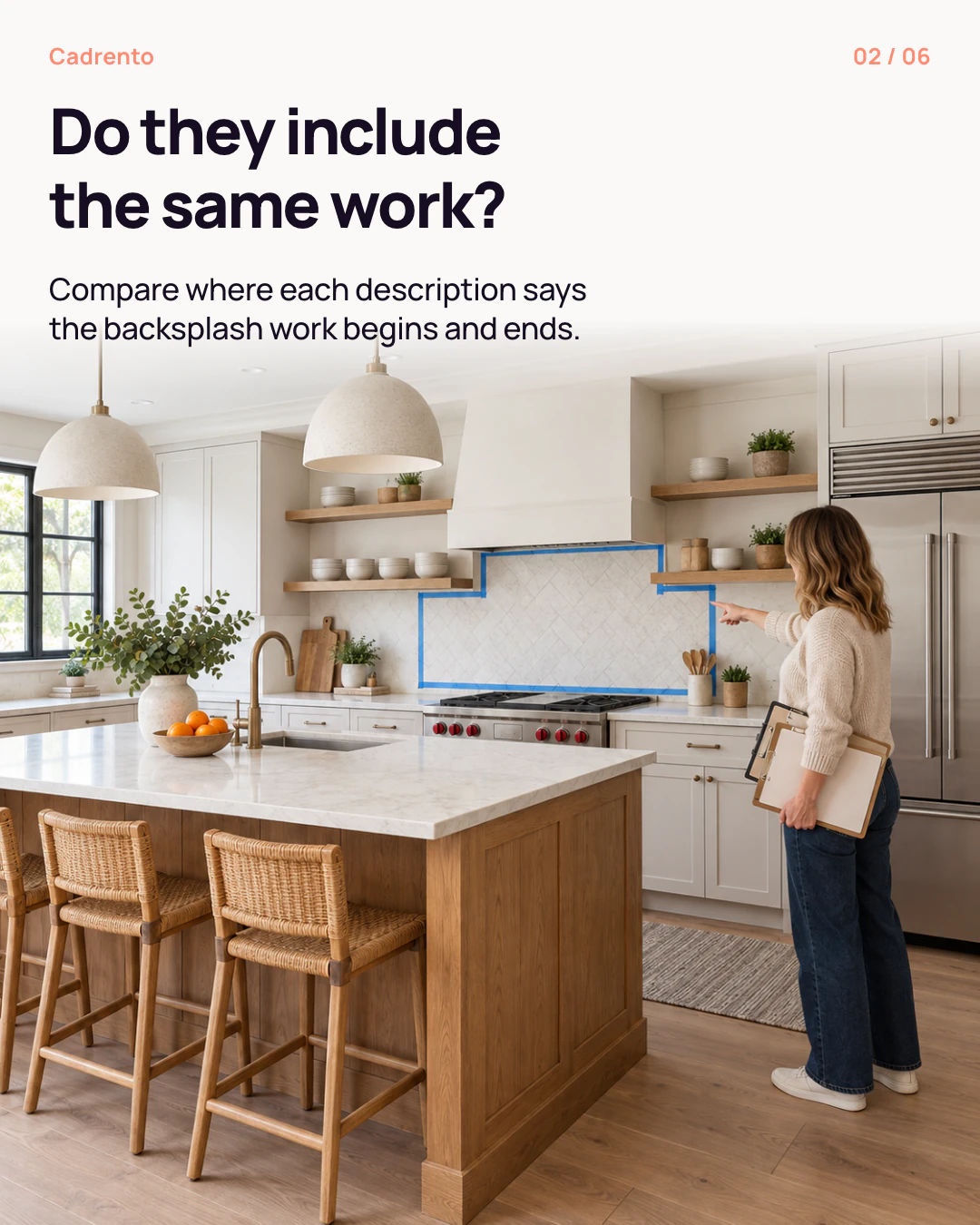
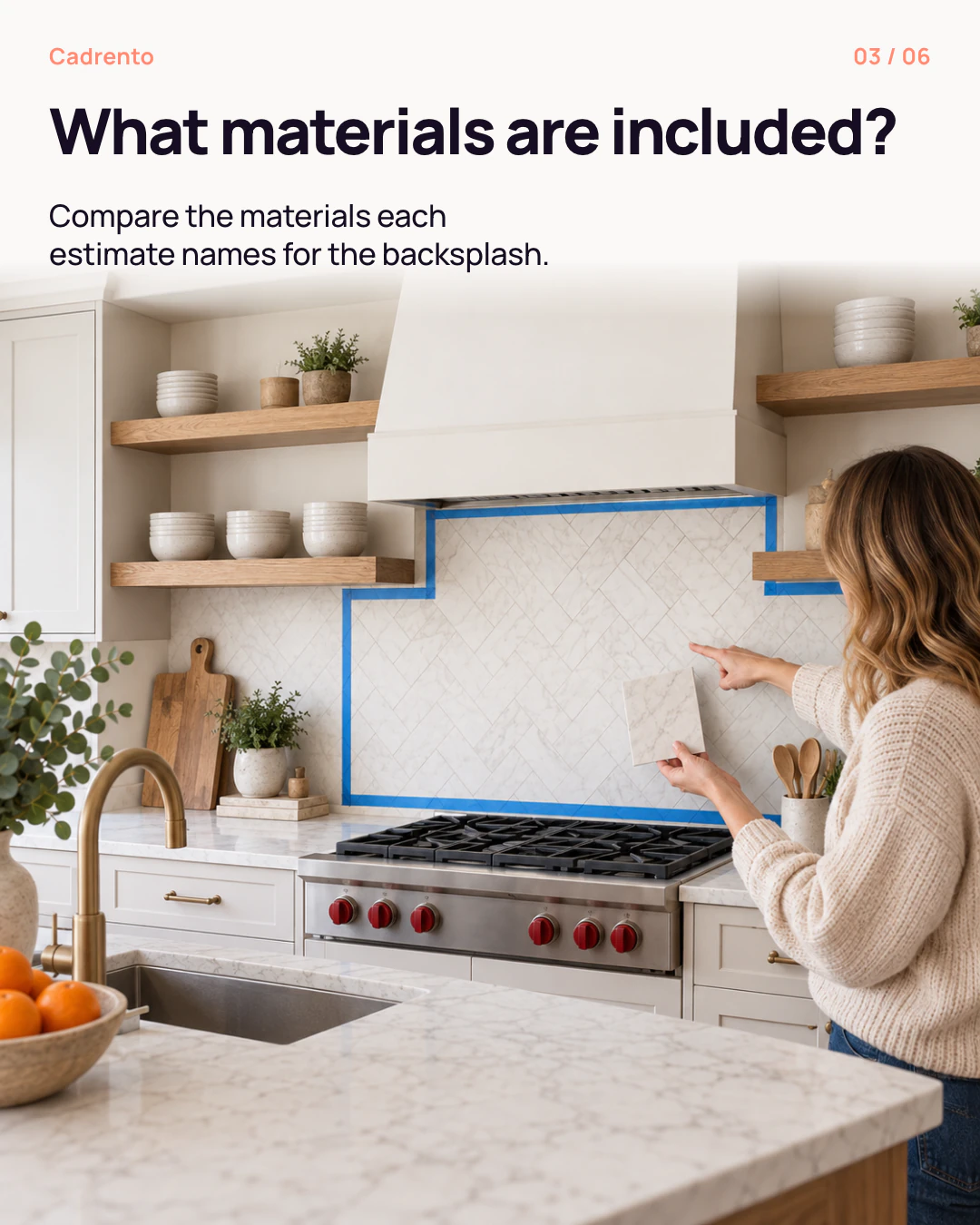
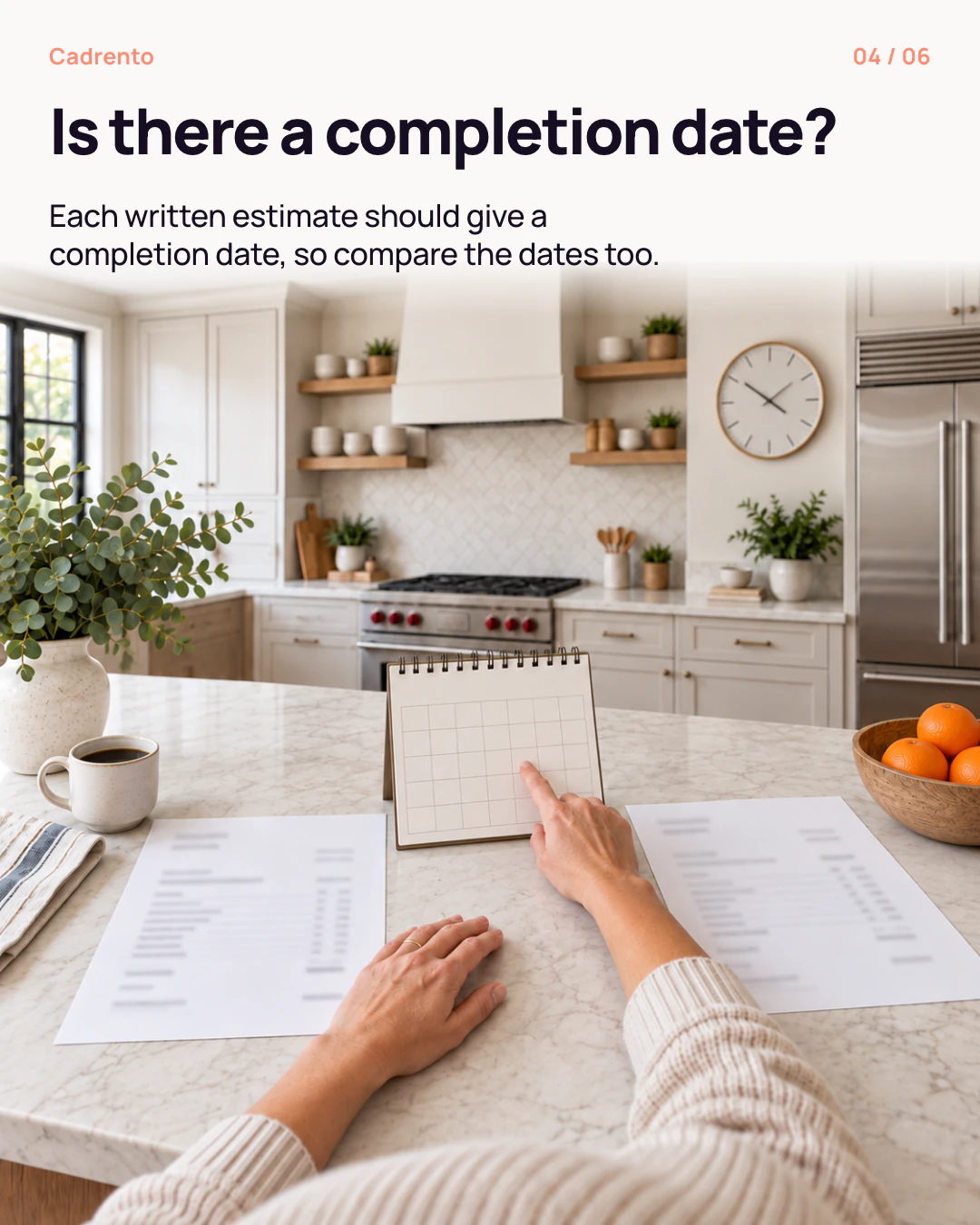
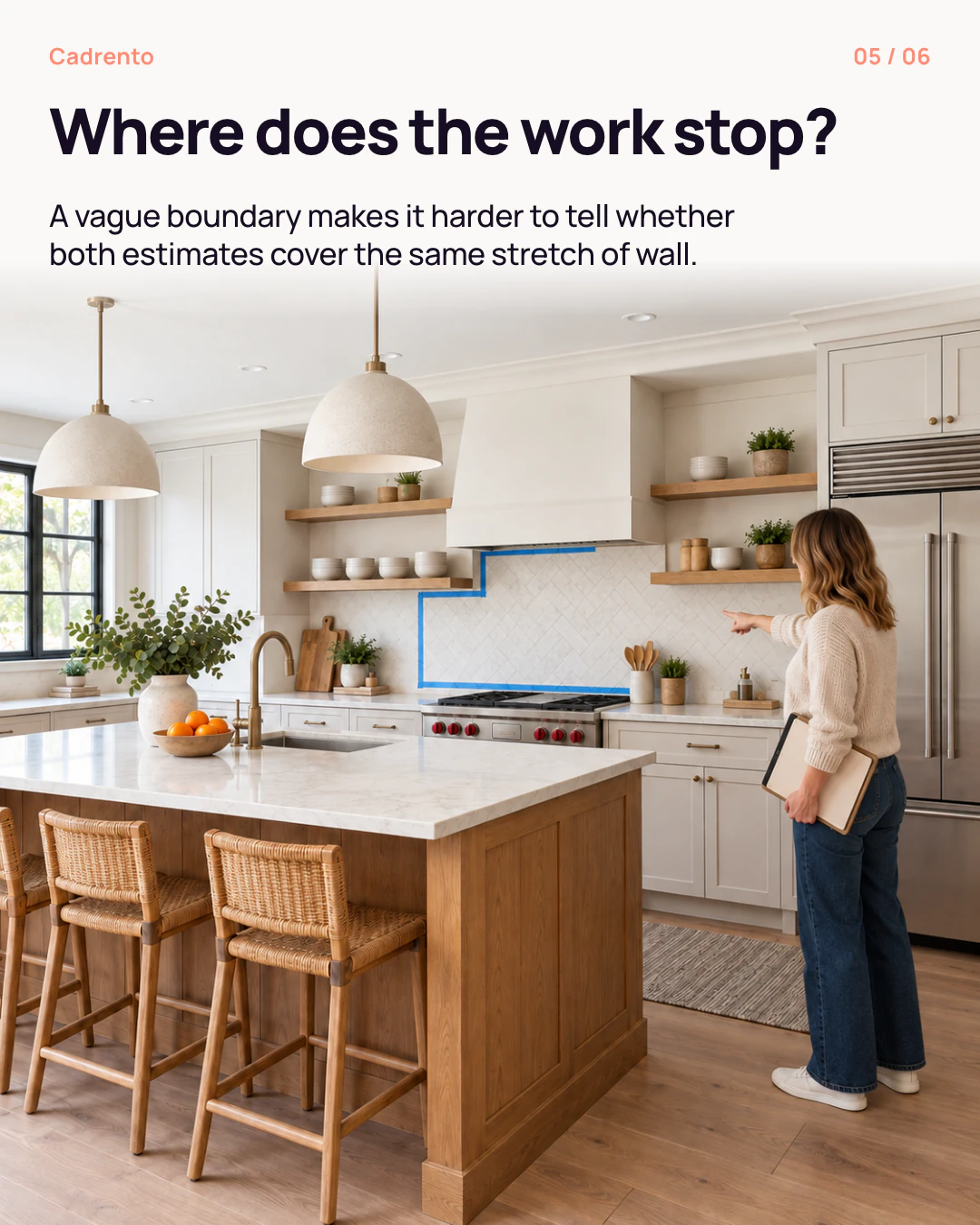
Get multiple estimates and read the descriptions alongside the prices. A written estimate should describe the work, materials, expected completion date, and price. Check whether each estimate covers the changes you asked about. If one mentions materials only generally, ask which materials the price includes. If dates differ, ask what each date refers to.
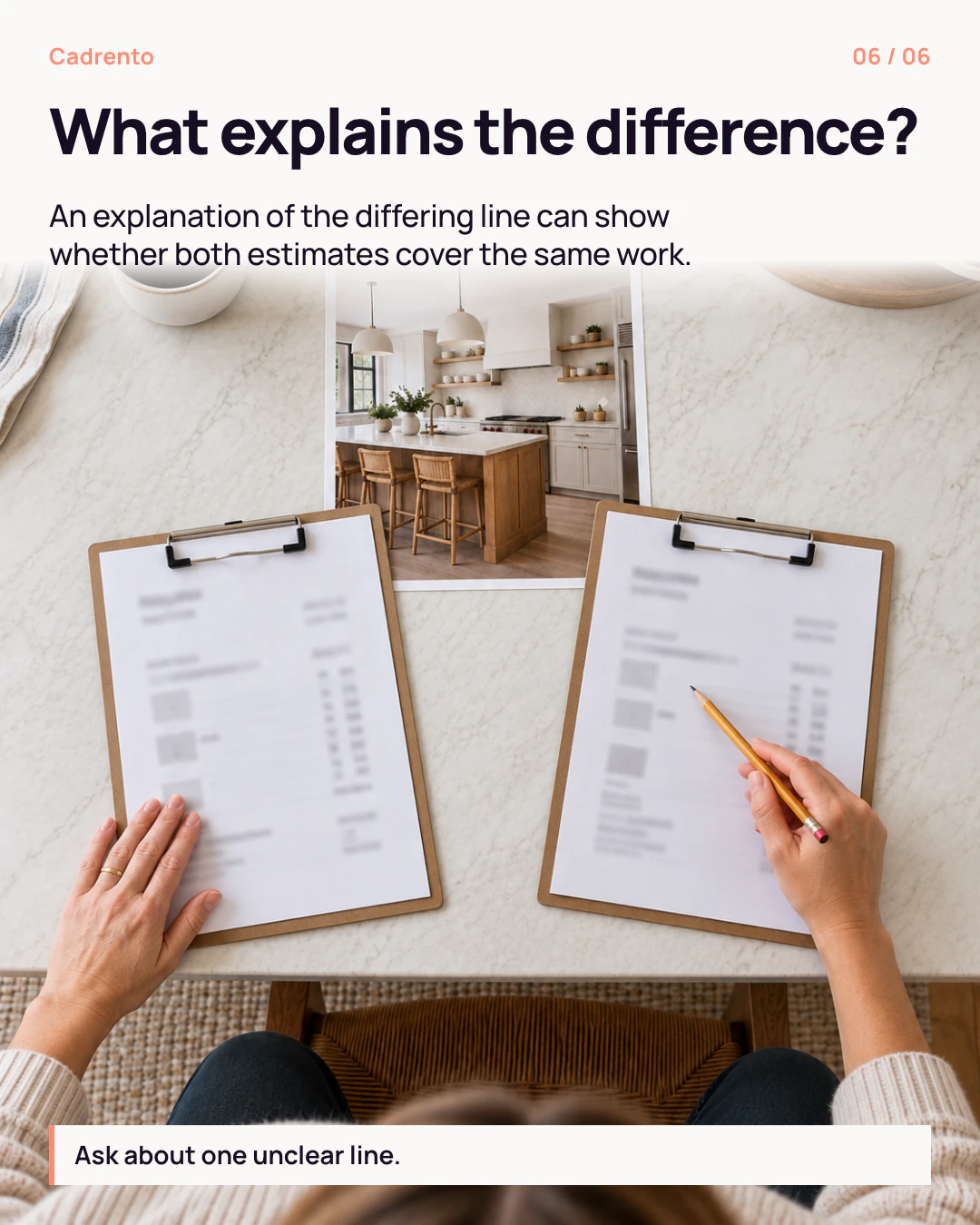
A lower number alone does not tell you whether two estimates cover the same work. If there is a large difference, ask for an explanation instead of guessing why. You can then compare the answers against your priorities for the room. Keep track of anything that remains unclear. The price is easier to evaluate when the estimate names the work and materials it covers.
Put agreed details where you can check them
Before signing, read the contract and check that it reflects what you discussed. Contract requirements vary by state. Even where a written agreement is not required, the FTC advises asking for one. Pay particular attention to promises about the work and the cost of labor or materials. If a conversation resolved an important question, ask how that answer appears in the document.
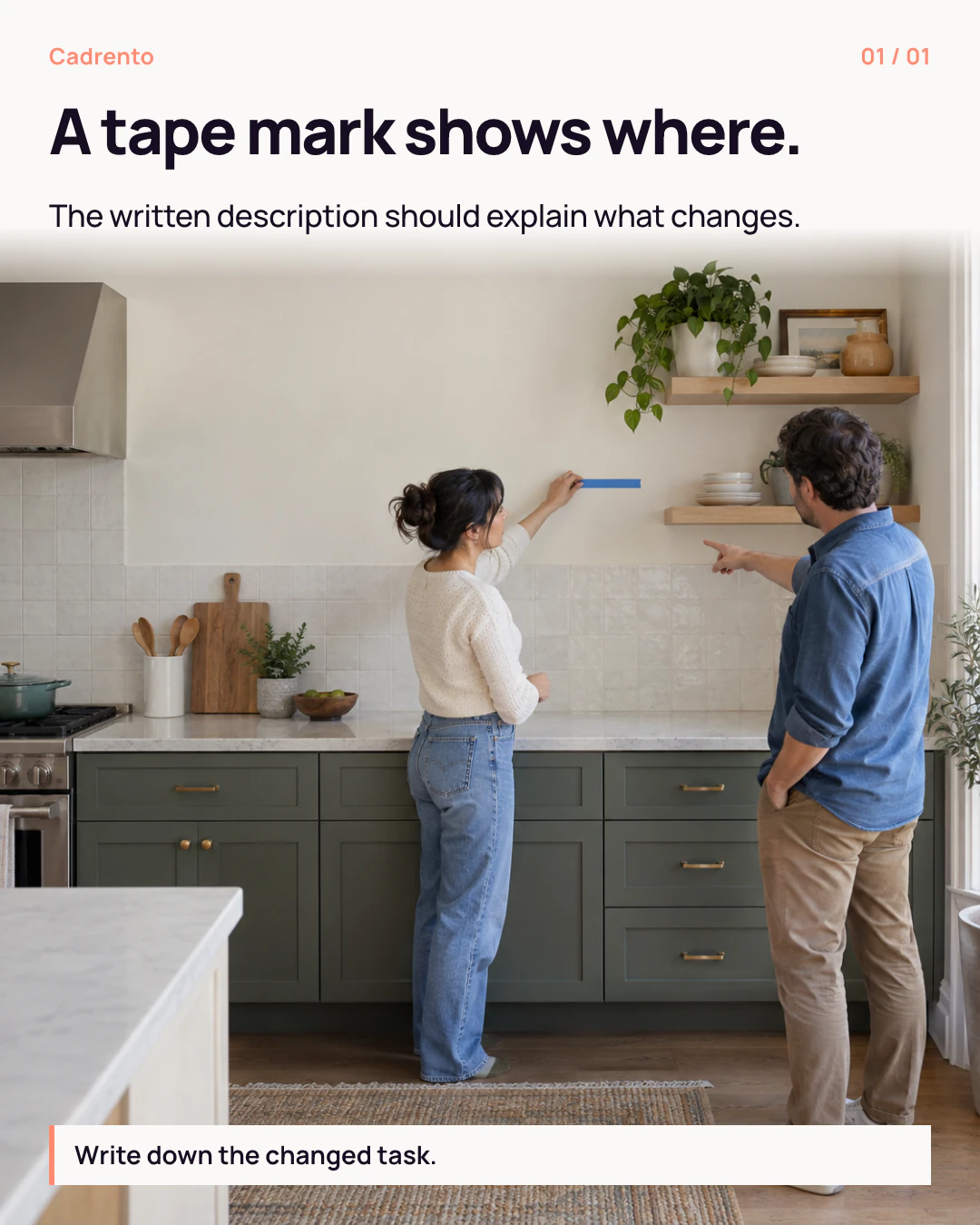
Do not sign with blank spaces or wording you do not understand. Ask for an explanation and read the completed version. If you later decide to change the work, ask how the written description, materials, date, or price would change before treating the new plan as agreed. That gives you a way to check what the updated plan includes.
A useful plan connects three things: what you want from the room, what the estimate describes, and what the agreement records. You may still have choices to make as the project takes shape. Name those choices clearly, and ask how each decision affects the written details. That makes your next conversation more focused and gives you a clearer document to read before you sign.