If you're considering a newly built home, you may encounter a builder warranty, an inspection report, and a Loan Estimate. They answer different questions. The written builder warranty tells you what coverage is stated. An independent inspection addresses the home's physical condition. A Loan Estimate lays out proposed mortgage costs. Reading each for its own purpose helps you see what remains unanswered before you decide.
What does the builder warranty cover?
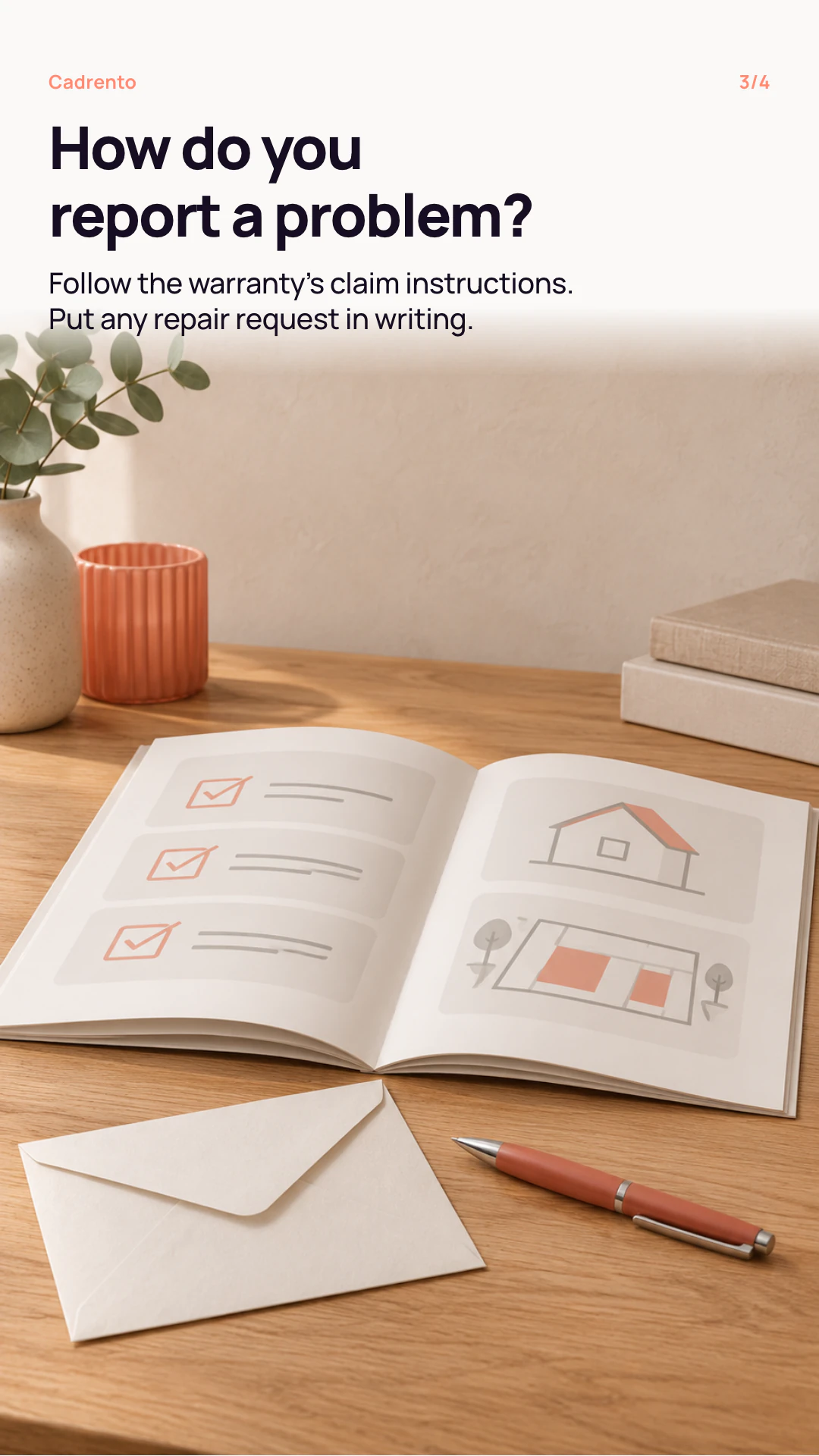
A builder warranty concerns stated coverage for certain permanent components, not everything in a home. The FTC explains that builder warranties have limited coverage and that coverage periods vary by component. Check whether a builder warranty is offered for the home you're considering. If it is, read the written terms. Check which components it covers, the relevant periods, and the instructions for requesting a repair. If a problem arises later, check those terms before making a claim. Put the repair request in writing and keep your correspondence and notes from conversations. That creates a record of your request and the response; it does not guarantee a repair. Also check which document you're holding. A home warranty sold as a service contract is a separate product that costs extra. Its terms should not be confused with a builder warranty.
What can an independent inspection tell you?
An inspection asks about physical condition, even when a home is new. The CFPB recommends choosing an independent inspector who is accountable to you. If you can attend the inspection, you may find it easier to understand the report and ask questions. Read the inspector's observations and ask about anything unclear. An inspection does not promise to identify every issue. An appraisal answers a different question and does not replace an inspection; a mortgage lender generally requires an appraisal. If inspection findings raise concerns about repairs or whether to proceed, turn to your purchase contract. Repair negotiations and any possibility of cancellation depend on the contract and other conditions, including local market conditions.
What costs does the Loan Estimate show?
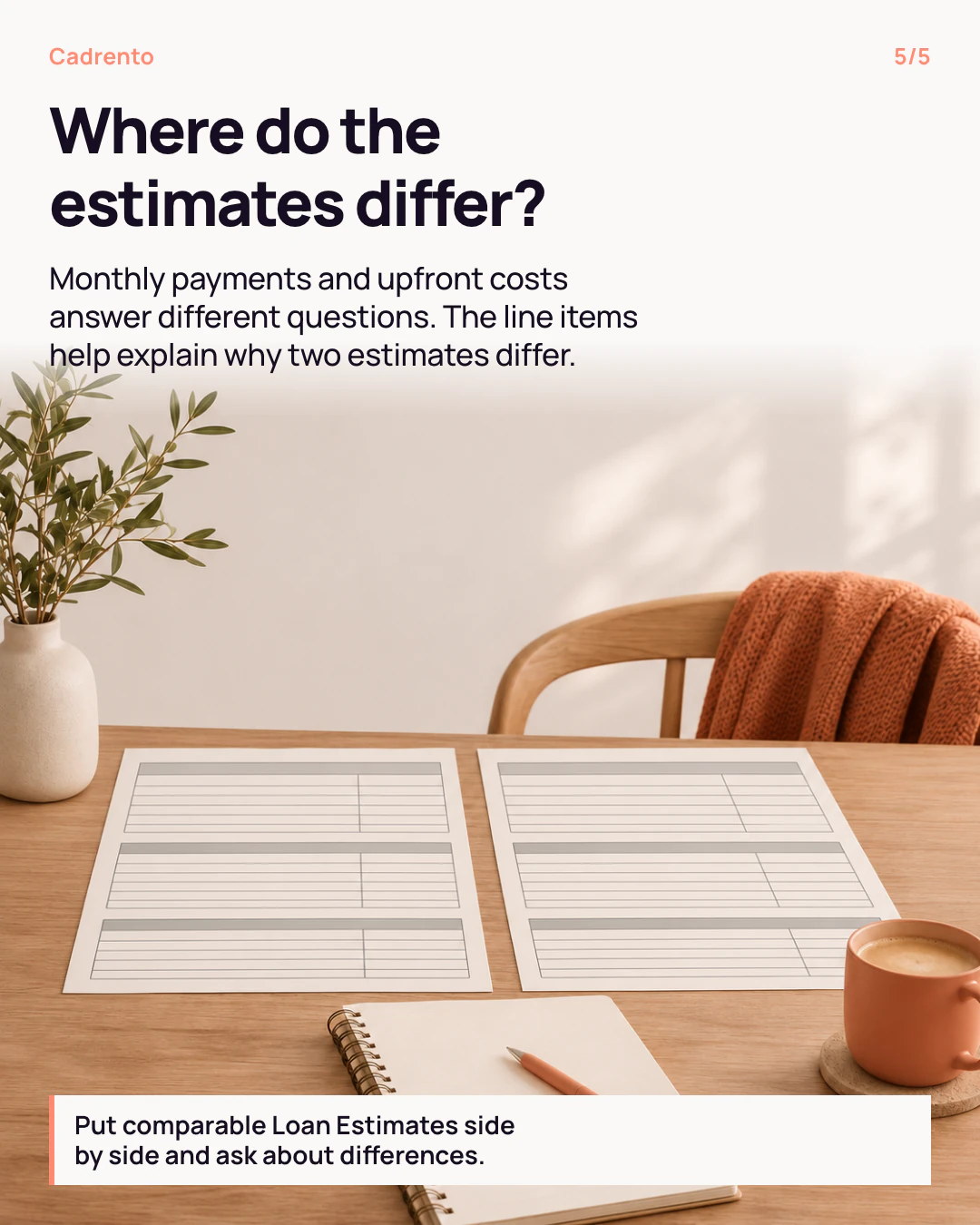
Your Loan Estimate is about proposed mortgage costs, not the home's condition or warranty. The CFPB explains that principal and interest are only part of a typical total monthly payment. Taxes, insurance, and applicable items can make that total higher. On the actual estimate, read the principal-and-interest figure alongside the estimated total monthly payment. Then look at closing costs, the upfront costs of getting the loan and transferring ownership. Estimated Cash to Close includes the down payment and closing costs, less deposits, seller credits, and adjustments shown in the estimate. If you request estimates from more than one lender, compare the same kind of loan. Consider overall charges and upfront costs rather than choosing by one figure alone.
These documents answer separate questions. The warranty states the coverage offered, the inspection addresses physical condition, and the Loan Estimate describes proposed financing costs. None settles what your purchase contract allows or gives you a personal mortgage recommendation. Reading the actual documents together can reveal which questions still need answers before you make a decision.